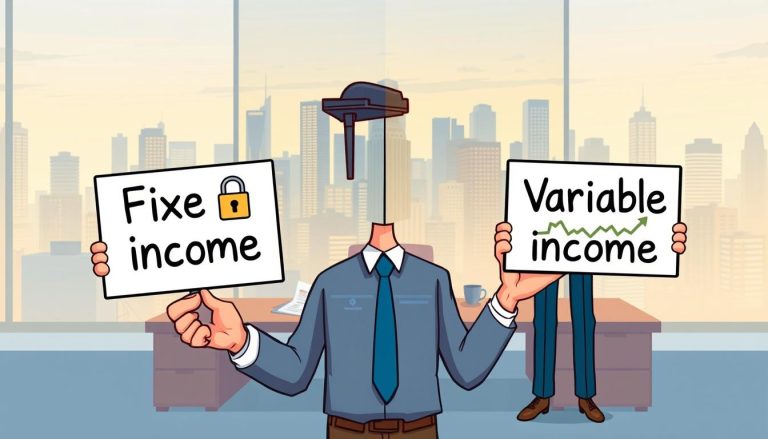


Freelancers face unique financial challenges that require smart savings strategies. Finding the best savings plan for freelancers can provide stability and security for your future.

Whether you’re just starting or well-established, understanding the options is essential.

Keep reading to discover which plan could transform your financial journey.

Understanding Freelancers’ Financial Needs

Freelancers often face different financial needs than traditional employees. Many work on short-term contracts, which can lead to fluctuating income.

This uncertainty makes it essential for freelancers to understand their financial situation more than ever.

Having a stable savings plan is crucial for managing expenses during lean months. Freelancers need to account for taxes, healthcare, and retirement, which are typically handled by employers for full-time workers.

Planning ahead can help them avoid financial stress and ensure they can cover their costs.

Additionally, freelancers should aim to build an emergency fund. This fund acts as a safety net in case of unexpected income drops.

By recognizing their unique financial needs and preparing accordingly, freelancers can secure their future and enjoy the freedom their work offers.

Top Savings Plans for Freelancers

Freelancers have several savings plans to choose from to help secure their financial future. One popular option is a high-yield savings account.

These accounts offer better interest rates than regular savings accounts, allowing freelancers to grow their savings more effectively. With easy access to their funds, freelancers can withdraw money when needed while still earning interest.

Retirement accounts like a Roth IRA are also great for freelancers. This option lets them contribute after-tax dollars, which means their money grows tax-free.

When they retire, they can take out funds without paying taxes. It’s an easy way to plan for the future while working independently.

Another option is a money market account. These accounts often provide higher interest rates than traditional accounts while allowing limited check-writing ability.

This gives freelancers the flexibility to manage their finances and access cash when necessary. By exploring these savings plans, freelancers can choose the best options to fit their needs.

Pros and Cons of Each Plan

High-yield savings accounts are great for freelancers because they offer better interest rates than regular accounts. This means your money can grow faster.

However, the interest rates can change, so they might drop when you least expect it. Additionally, these accounts may have withdrawal limits that can make it tricky to access your funds easily.

Roth IRAs have excellent tax benefits, allowing freelancers to save for retirement without paying tax on withdrawals. This is a significant positive for long-term savings.

But, there are contribution limits, so freelancers must be aware of how much they can contribute each year. If they exceed these limits, they might face penalties.

Money market accounts combine features of both savings and checking accounts. They usually offer higher interest rates and allow limited check-writing.

However, they may require a higher minimum balance to avoid fees. This can be a downside for freelancers who need to keep their savings flexible for unexpected expenses.

How to Choose the Right Plan

How to Choose the Right Plan

Choosing the right savings plan starts with understanding your financial goals. Are you saving for retirement, an emergency fund, or a new project? Setting clear goals helps you determine which plan fits best.

For example, if long-term growth is important, a Roth IRA could be a wise choice.

Next, consider your income stability. If your income varies, look for plans that offer easy access to your savings, like a high-yield savings account.

This allows you to grow your funds without locking them away for long periods. Knowing your cash flow can help ensure you have money available when needed.

Finally, think about the fees and minimum balances associated with each option. Some accounts require a specific balance to avoid monthly fees.

Freelancers should read the terms carefully to choose a plan that won’t surprise them with hidden costs. Doing your research is the key to finding the best fit for your savings needs.

Best Savings Plan for Freelancers: Maximizing Your Savings

Maximizing your savings starts with consistency. Setting up automatic transfers to your savings account can help you save without even thinking about it.

By treating your savings like a regular bill, you ensure that a portion of your income goes directly into your savings plan each month. This method can dramatically increase your savings over time.

Additionally, take advantage of any employer matches, if you have access to retirement accounts like a 401(k). Some employers will match your contributions up to a certain level.

This is essentially free money, so always contribute enough to get the maximum match available. It can make a big difference in your savings growth.

Lastly, regularly review your expenses and identify areas where you can cut back. Simple changes, like reducing dining out or canceling unused subscriptions, can free up cash to put towards savings.

By continually seeking ways to save more, you create a more robust financial future while working as a freelancer.

Tips for Staying on Track with Savings

Staying on track with your savings requires setting realistic goals. Break your savings down into manageable chunks so you can celebrate small wins along the way.

For example, if you want to save for an emergency fund, aim for a specific amount each month rather than focusing on the total. This keeps you motivated and makes the process feel less overwhelming.

Using budgeting apps can also help you monitor your spending and savings easily. These tools can track your expenses and remind you of your savings goals, helping you stick to your plan.

By keeping your financial information in one place, you can make informed decisions about where to cut back and how much to save.

Finally, consider finding an accountability partner to help you stay focused. Sharing your savings goals with a friend or family member can motivate you to keep going when you feel tempted to spend.

Regular check-ins can provide support and encouragement, making your savings journey more enjoyable and successful.

Freelancers can greatly benefit from creating a dedicated savings account just for their business income. This separation helps you see how much money is set aside for expenses or taxes.

It also prevents you from accidentally spending funds needed for your business. Consider high-yield savings accounts to let your hard-earned money grow more quickly.

Another strategy is to regularly review and adjust your savings goals as your income changes. Freelancers often have fluctuating incomes, so it’s important to adapt your goals.

By reassessing your financial situation every few months, you can make informed decisions about how much to save and where to allocate your funds.

Lastly, keep an eye on your spending habits and make conscious choices. Track your expenses to see where you can cut back without feeling deprived.

Simple changes, like prioritizing essential purchases and limiting discretionary spending, can free up more money for savings. This proactive approach ensures you’re on track to meet your financial goals.

Leave a Reply

Your email address will not be published. Required fields are marked *