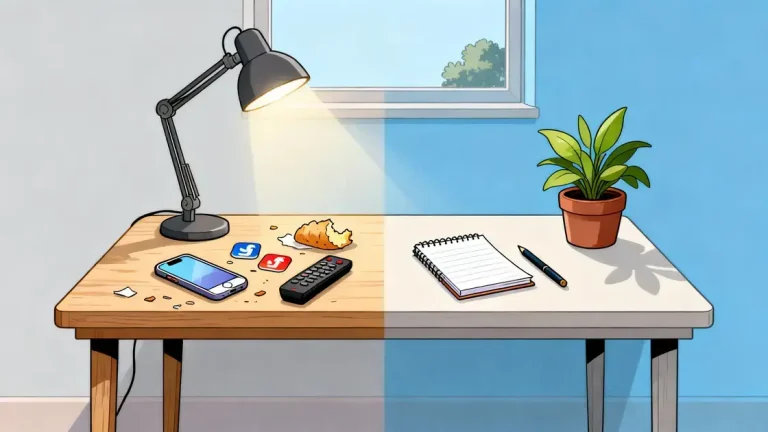

Burnout isn’t just about feeling tired—it’s a chronic state of emotional, physical, and mental exhaustion that affects millions every year.
In an age where productivity is valued above well-being, learning how to avoid burnout is not a luxury, but a necessity.
This article explores actionable strategies to help you transform stress into renewed energy, cultivate balance, and protect your passion for life and work. Let’s embark on a journey toward a more vibrant, burnout-resistant you.
Understanding Burnout: More Than Just Stress
When people hear the phrase “avoid burnout,” it’s often mistaken for simply managing daily stress. But burnout runs far deeper. It’s a state where your emotional batteries are truly depleted, and ordinary rest no longer restores your motivation or energy. This doesn’t happen overnight—burnout is a gradual process, like erosion, quietly wearing away your passion and well-being.
Burnout isn’t just being tired after a busy week; it’s a lasting feeling that can lead to cynicism, detachment, and a sense of futility. If ignored, it doesn’t only impact work performance or productivity, but also relationships, personal health, and your overall zest for life. Recognizing that burnout is a profound imbalance, not just a passing mood, is the first critical step toward protecting yourself and reigniting your inner spark.
Understanding these stakes gives you permission to prioritize your well-being and start seeking real, sustainable resilience—before burnout overpowers your spirit.
Recognizing the Warning Signs Early
Early detection is the key to avoiding a major burnout episode. The signs often creep in quietly, masked as common tiredness or fleeting frustration. However, if you pay close attention, your mind and body will send clear messages long before full-blown exhaustion sets in.
- Persistent fatigue that rest doesn’t relieve
- Cynicism or increased negativity about work and life
- Difficulty concentrating or frequent forgetfulness
- Loss of motivation or enthusiasm for activities you once enjoyed
- Short-temperedness or feeling emotionally detached from others
If you recognize one or more of these signals, consider them an urgent invitation to pause. Your well-being is more important than your to-do list. Addressing these warning signs early can help you regain balance, protect your health, and renew your engagement with life before true burnout takes hold.
Building Resilient Routines for Balance
To truly avoid burnout, it’s vital to create daily and weekly routines that do more than just fill time—they lay the groundwork for resilience. Think of these habits as your armor, insulating you against the wear and tear of relentless demands. It’s not about rigid schedules, but intentional rituals that bring you back to center when life pulls you in every direction.
- Set realistic goals for the day and adjust as needed
- Make time for short breaks, especially when under pressure
- Nourish your body with regular, balanced meals
- Prioritize sleep like it’s non-negotiable
- Schedule moments for reflection or a favorite hobby
Consistency is more powerful than intensity—even small, regular acts of self-care add up. Over time, these routines help restore your energy, renew your sense of purpose, and provide the strong foundation you need to keep stress in check, even when challenges mount.
Setting Boundaries: Your Shield Against Overload
Learning to set healthy boundaries is an act of self-respect and is critical to avoid burnout. Boundaries are not about isolation or saying “no” to everything—they’re about knowing your own limits and communicating them with honesty and confidence. Protecting your time and energy makes space for you to thrive.
- Say “no” to extra commitments that exceed your bandwidth
- Define work hours and stick to them, unplugging after-hours
- Communicate openly with family and colleagues about your needs
- Create a dedicated relaxation space at home or work
- Give yourself permission to take breaks—without guilt
Setting boundaries isn’t selfish; it’s a courageous step toward lasting well-being. The more you practice, the easier it becomes to protect your mental space, reduce overwhelm, and spark genuine enjoyment in your day-to-day life. The result? More energy for what truly matters.
The Power of Mindfulness and Self-Care
Integrating mindfulness and self-care into your days is a game changer when your goal is to avoid burnout. Rather than just pushing through, mindfulness allows you to meet yourself exactly where you are—without judgment. It’s about giving yourself permission to breathe, pause, and truly listen to your needs.
- Start your day with a few moments of stillness or gentle breathing
- Do a simple body scan to check in with tension or fatigue
- Engage in brief, mindful activities like journaling or stretching
- Prioritize joyful rituals such as reading or a calming cup of tea
When you treat self-care as non-negotiable, you send a message to yourself that your well-being is worthy of attention. Over time, these moments of intentional care restore your reserves, help you better manage stress, and foster a quieter, more resilient spirit through life’s storms.
Small Daily Practices for Big Change
Transforming your life to avoid burnout doesn’t require sweeping changes overnight. Often, it’s the small, consistent habits that quietly build remarkable resilience. By weaving simple, positive routines into your everyday life, you create a safety net that cushions you when pressures mount.
- Take a five-minute walk outdoors every afternoon
- Pause for a stretch or deep breath between tasks
- Acknowledge three things you’re grateful for each evening
- Replace multitasking with focused attention to one task at a time
- Reflect weekly on what energized—or drained—you
These daily steps act as mental “reset buttons,” providing micro-moments of restoration and joy. In time, you’ll notice a heightened sense of clarity, optimism, and motivation. Remember, sustainable change begins with simple, repeatable actions—they are the seeds from which a thriving, burnout-proof life grows.
When to Seek Support and Professional Help
Sometimes, despite your best daily efforts, the weight of exhaustion or stress becomes too much to bear alone. To avoid burnout turning into a crisis, recognizing when to seek support is a sign of wisdom, not weakness. Letting others in can illuminate solutions you never saw before and provide the strength you need to recover.
- If you feel persistently sad, anxious, or hopeless
- If fatigue and apathy are disrupting work or relationships
- If you’ve tried self-help strategies and don’t feel better
- If your sleep or appetite is severely affected
Lean on friends, family, or colleagues for candid conversations about your struggles. And if needed, reach out to a therapist, counselor, or healthcare provider. Professional help is a powerful tool for gaining insight and charting a personalized path back to well-being. Remember, seeking support is the most compassionate and courageous gift you can give yourself.