Navigating the financial markets can often feel like riding a roller coaster, with its exhilarating highs and nerve-wracking lows.
For investors, understanding the concept of market volatility is crucial not only for making savvy financial decisions but also for maintaining peace of mind in turbulent times. Market volatility explained in clear terms can empower you to embrace uncertainty and unlock new opportunities for growth.
In this comprehensive article, we will demystify market volatility, explore its causes, and deliver actionable strategies to help you respond wisely, inspiring you to view market fluctuations not as threats, but as gateways to financial resilience.
What is Market Volatility?
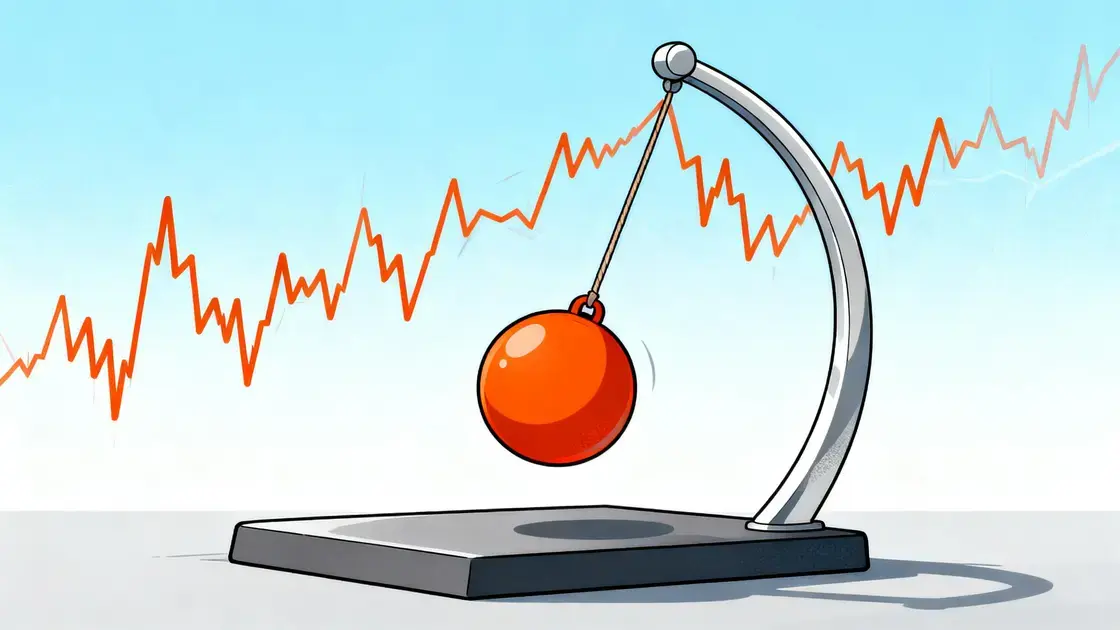
Market volatility refers to the frequency and magnitude of price swings in the financial markets. It’s often measured by how rapidly and unpredictably asset prices move, either up or down, within a short timeframe. You’ll notice it most during periods when the stock market seems to swing dramatically, often capturing headlines and sparking intense investor emotions.
But beyond the numbers and charts, volatility is a reflection of market participants’ ever-shifting expectations and fears. It embodies uncertainty, but also the immense potential for change—both positive and negative.
Embracing this reality, instead of fearing it, can help you view market volatility as a natural part of the investment journey. After all, without volatility, there would be little opportunity for remarkable gains. By understanding its meaning, you cultivate the ability to maintain composure and even discover unique opportunities that others might overlook during turbulent times.
Why Does Volatility Occur?
Market volatility emerges from a blend of economic, political, and psychological factors. External events like elections, policy changes, global conflicts, or surprising economic data can spark waves of uncertainty, sending prices on unpredictable journeys. Even seemingly minor headlines, when amplified by investor sentiment, can ripple across markets and trigger substantial shifts.
At its core, volatility reflects the clash of optimism and fear among countless investors around the world. When beliefs about the future diverge dramatically, trading volumes surge and markets sway more wildly. Technological advancements—such as algorithmic trading—have also heightened the speed and scale at which these swings occur.
- Unexpected earnings reports from major companies
- Shifts in interest rates or inflation levels
- Macro-events like recessions or pandemics
Recognizing these triggers helps you better anticipate and interpret sudden market moves, transforming volatility from a source of anxiety into a catalyst for deeper financial awareness and adaptability.
The Emotional Impact of Market Fluctuations
When markets experience volatility, it’s not just your portfolio that feels the effects—your emotions often bear the weight, too. Investors can experience a swirl of anxiety, excitement, and even panic as prices swing rapidly. During these moments, it’s easy for fear to take over rational thinking, leading to hasty decisions that could undermine long-term goals.
Understanding that emotional reactions are normal can help you pause and reflect before acting. In fact, many seasoned investors recognize that mastering their responses to volatility is just as important as any financial strategy. Maintaining perspective amid uncertainty builds resilience over time.
- Stay informed, but avoid obsessively tracking every market move
- Focus on your long-term plan rather than daily price changes
- Practice mindfulness or other techniques to manage stress
By acknowledging your feelings and learning to respond thoughtfully, you reinforce your ability to weather even the most turbulent financial storms.
Historical Examples of Market Volatility
Throughout history, several striking events have showcased how market volatility changes the investing landscape. The infamous 2008 financial crisis, driven by housing market collapse and leveraged risk, saw markets plunge and then recover over several years. Similarly, the sudden plunge in global markets during the early days of the COVID-19 pandemic in 2020 illustrated how quickly uncertainty can trigger sharp moves.
Market volatility isn’t limited to downturns. The dot-com bubble of the late 1990s was fueled by intense optimism, resulting in rapid gains followed by dramatic corrections. In each case, those who remained patient and focused on fundamentals often emerged stronger when the dust settled.
- 1987 Black Monday: One-day market drop over 20%
- 2001–2002: Market turmoil after September 11 and dot-com bust
- 2020 Pandemic: Historic swings in response to global events
Each episode reminds us that volatility, though daunting, can be a catalyst for wisdom and renewed opportunity.
How to Respond to Market Volatility
Facing market volatility can be unsettling, but your response can transform anxiety into opportunity. The most successful investors often focus on maintaining discipline amid rapid changes rather than attempting to time every market swing. Staying grounded in your investment plan is critical.
During volatile times, it’s wise to revisit your goals and risk tolerance. Review your portfolio to ensure it aligns with your long-term objectives, and consider diversifying further to reduce risk. Above all, resist the temptation to react impulsively to headlines or sudden price dips.
- Rebalance your investments if allocations drift from targets
- Increase cash reserves if it helps you feel secure
- Seek professional advice if uncertainty is overwhelming
Ultimately, seeing volatility as part of the market’s natural rhythm allows you to act from strength and resilience rather than fear, keeping you on track for your financial future.
Long-term Strategies for Volatile Markets
Weathering volatile markets requires strategies that foster both confidence and patience. Rather than chasing short-term gains, successful investors lean on proven long-term approaches that stand firm when uncertainty strikes. Consistency in your investment habits will help you thrive, not just survive, during turbulent times.
Consider the benefits of dollar-cost averaging—regularly investing fixed amounts regardless of market conditions—to smooth out the highs and lows. Another effective strategy is broad diversification, which spreads risk across different asset classes, reducing the impact of losses in any one area.
- Set realistic, long-term financial goals
- Stay disciplined with ongoing contributions
- Periodically review and adjust your asset allocation
Ultimately, holding a long-term perspective allows you to view volatility as a natural stage of investing, empowering you to remain calm and focused on future growth rather than distracted by day-to-day upheaval.
Common Mistakes to Avoid During Volatility
Amid market turbulence, it’s easy to fall into traps that can compromise your long-term financial health. One of the most common pitfalls is letting fear-driven decisions override thoughtful strategy. Panic selling after a market drop can lock in losses and keep you from benefiting when prices rebound.
Similarly, chasing quick gains or “timing the market” often leads to disappointment. No one can consistently predict when markets will rise or fall. Neglecting diversification, or concentrating investments in just a few sectors, can also magnify risk during volatile swings.
- Selling investments impulsively during downturns
- Focusing only on short-term performance
- Ignoring a well-constructed financial plan
By being aware of these common mistakes, you empower yourself to act wisely—transforming market challenges into opportunities for growth and resilience, no matter how uncertain the landscape becomes.
Turning Uncertainty into Opportunity
Market volatility is often perceived as a time of danger, but it can also be a season of exceptional opportunity. Those who approach uncertainty with curiosity and flexibility often emerge with newfound wisdom. Periods of turbulence can reveal undervalued assets, allowing patient investors to position themselves for strong future gains.
Instead of recoiling from fluctuations, consider what they may teach you about your risk tolerance and financial aspirations. Learning to interpret volatility as a signal rather than a threat enables you to make decisions with clarity and confidence. During these moments, critical thinking and resilience become your most valuable assets.
- Identify areas in your portfolio for strategic rebalancing
- Look for high-quality investments at temporarily reduced prices
- Reflect on past challenges to inform future action
Remember, every bout of uncertainty offers the chance to evolve as an investor—turning volatility into a catalyst for personal and financial growth.