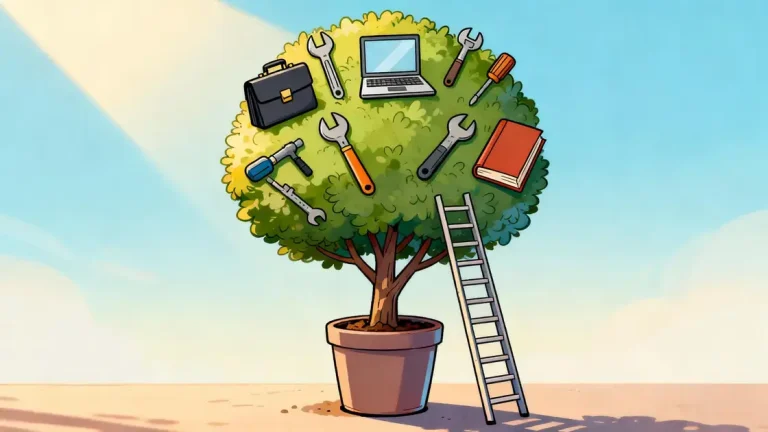


Skills development plan templates are essential tools for enhancing personal and professional growth. With these templates, you can easily outline your learning objectives, track progress, and stay focused.
Crafting a well-structured plan helps individuals to visualize their goals, while also providing clarity on the skills needed for advancement. It empowers you to take charge of your development journey.
Effective learning begins with the right planning. Keep reading to discover how to create a powerful skills development plan that transforms your capabilities.
What are Skills Development Plan Templates?
Skills development plan templates are structured documents that help individuals outline their goals and the steps needed to achieve them. They serve as a roadmap, making it easier to track progress and stay organized. By using these templates, anyone can navigate their learning journey more efficiently.
These templates typically include sections for setting specific goals, identifying required skills, and creating a timeline for achieving these objectives. They allow users to break down larger ambitions into manageable tasks, ensuring that personal growth is both achievable and measurable.
Using skills development plan templates can boost motivation and accountability. Whether for personal use or in a workplace setting, these templates make it simpler to visualize achievements and foster continuous improvement. Embracing a skills development plan unlocks your potential in meaningful ways.
Benefits of Using Templates
Using templates for skills development offers many advantages. First, they save time by providing a ready-made structure. Instead of starting from scratch, you can fill in the blanks and focus on your specific goals. This simplicity makes it easier to organize your thoughts and create a clear plan for your growth.
Secondly, templates encourage consistency. When you use the same format for your development plans, it becomes easier to track your progress over time. You can compare different skills and see how much you’ve improved. This consistency helps keep you motivated as you see your achievements build up.
Lastly, templates boost confidence. By using a template, you can avoid feeling overwhelmed. Knowing you have a guided structure allows you to focus on learning new skills without the stress of figuring everything out alone. Templates empower you to unlock your potential and grow at your own pace.
How to Create Your Own Template
Creating your own skills development plan template is a straightforward process. Start by identifying your goals. Think about what skills you want to develop and why they are important to you. Write down these goals clearly, as they will guide your entire template.
Next, organize your template into sections. Include areas for your goals, the skills needed, and the steps to reach those goals. You can also add a space for tracking progress. This structure will help you stay focused and make your plan easy to follow.
Finally, review and adjust your template as you use it. After a few weeks, take a look at what works and what doesn’t. Modify your template based on your experiences to ensure it continues to meet your needs. Personalizing your template keeps your skills development relevant and effective.
Top Skills Development Plan Templates

When looking for the top skills development plan templates, it’s important to choose ones that fit your needs. A good template includes clear sections for goals, skills, and action steps. This organization helps you focus on what matters most and keeps your learning journey on track.
Some templates are designed for specific skills, like leadership or technical abilities. These specialized templates provide targeted areas for growth and are useful if you have a particular skill in mind. You can find these templates online, offering various styles to choose from.
Another great option is a flexible template that allows you to customize your goals and milestones. These templates are adaptable and can grow with you as your skills develop. Having a mix of focused and general templates ensures you stay motivated and inspired to unlock your full potential.
Tips for Effective Skills Development
For effective skills development, it’s essential to set clear and realistic goals. Start with short-term goals that can be achieved quickly. This helps you build confidence and gives you a sense of accomplishment. Ensure these goals are specific and measurable, so you can track your progress easily.
Another tip is to stay consistent with your learning schedule. Dedicate regular time each week to work on your skills. Consistency helps reinforce what you learn and makes it easier for you to make progress. Find a routine that works for you and stick to it, even if it means starting with just a few minutes each day.
Lastly, seek feedback and support from others. Share your goals with friends, mentors, or colleagues. They can offer helpful advice and encouragement as you work on your skills. Receiving feedback can help you improve faster and keep you motivated throughout your journey.
Common Mistakes to Avoid
One common mistake in skills development is setting vague or unrealistic goals. When goals are not specific, it becomes difficult to measure progress or stay motivated. To avoid this, make sure your goals are clear and achievable. For example, instead of saying you want to “improve at a skill,” specify that you will “practice for 30 minutes every day on a particular aspect of the skill.” This clarity helps keep you on track.
Another mistake is neglecting to revisit and adjust your plan. As you work on your skills, your needs may change. If you stick to the same plan without reassessing, you might miss opportunities for growth. Regularly check in on your progress and be willing to adapt your plan based on what you learn about yourself and your abilities.
Lastly, many overlook the importance of seeking support. Trying to improve skills alone can be challenging and isolating. Failing to ask for help or feedback from others may lead to frustration. Engaging friends, mentors, or peers can offer valuable insights and encouragement, making your skills development journey more enjoyable and effective.
Skills Development Plan Templates: Measuring Success of Your Plan
Measuring the success of your skills development plan is crucial for understanding your progress. One effective way to do this is by setting specific milestones. These are small, achievable goals that lead to your bigger objectives.
For example, if your goal is to learn a new language, a milestone could be completing a certain number of lessons each week. Regularly checking off milestones gives you a sense of accomplishment and keeps you motivated.
Another important aspect is to track your progress consistently. Keeping a journal or using a digital app can help you record what you learn and any challenges you face. This documented progress allows you to reflect on your development over time. It also helps you identify patterns, like which methods work best for you or areas that may need more focus.
Finally, don’t forget to celebrate your achievements, no matter how small. Recognizing what you’ve accomplished boosts your morale and encourages you to keep pushing forward. Share your successes with friends or family or treat yourself to something you enjoy. Celebrating successes creates positive reinforcement and keeps you excited about learning and improving.